TPO, EPDM, and PVC: Comparing Single-Ply Roof Installation Options
People searching for TPO, EPDM, and PVC roof installation are typically looking to upgrade or replace their roofs, and local contractors can help them choose and install the best single-ply roofing option for their building.
Understanding the differences between TPO, EPDM, and PVC roofing options is essential for property owners considering a single-ply roof installation. Each material offers unique advantages and considerations that can impact the durability, performance, and overall suitability for a specific building. Property owners in the area who are exploring these options often seek practical insights to make informed decisions that align with their roofing needs and long-term goals. This page provides clear, straightforward comparisons to help navigate the choices and connect with experienced local contractors who specialize in installing these types of roofs.
Choosing the right roofing material can influence maintenance requirements, resistance to weather conditions, and installation methods. Local service providers who focus on TPO, EPDM, and PVC roof installations are equipped to assist with assessing the specific demands of each option and recommending solutions tailored to the property. By exploring these options in detail, property owners can better understand what to expect and find trusted local contractors capable of delivering expert installation services. Keep reading to gain the knowledge needed to make confident decisions about single-ply roofing choices.
- TPO roof installation - suitable for flat roofs requiring energy-efficient and cost-effective solutions, with local contractors focusing on quick, durable applications.
- EPDM roof installation - ideal for large commercial or industrial buildings needing flexible, weather-resistant roofing, with local pros emphasizing seamless, long-lasting layers.
- PVC roof installation - often chosen for roofs demanding chemical resistance and durability, with local service providers applying precise, high-quality installation techniques.
- Comparing single-ply roof options - helps property owners evaluate material strengths and suitability for their roof type, with local pros offering expert guidance on installation choices.
- Choosing the right single-ply roof - depends on specific building needs and climate considerations, with local contractors providing tailored installation services to match those needs.
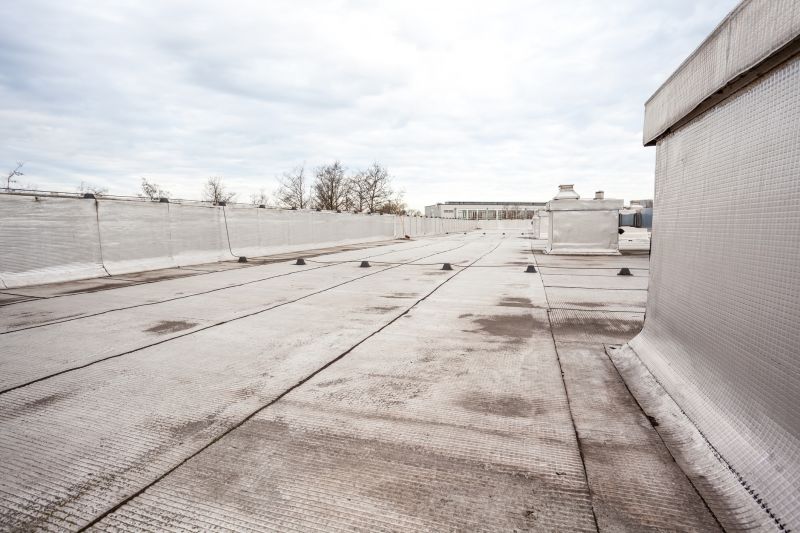
When people search for information about TPO, EPDM, and PVC in the context of single-ply roof installation options, they are often exploring choices for roofing materials that provide durability, weather resistance, and long-term performance. This topic typically relates to property owners who are considering replacing an aging roof, upgrading an existing flat or low-slope roof, or installing a new roof on commercial or residential buildings. Homeowners and property managers want to understand the differences between these materials to ensure they select the right solution for their specific needs, whether it’s for energy efficiency, ease of installation, or longevity. Many are also interested in how these options compare in terms of maintenance requirements and overall value, making it essential to connect with local contractors who specialize in single-ply roofing systems.
The comparison of TPO, EPDM, and PVC roofing options often ties into broader plans for property renovation or long-term asset management. These materials are popular choices for flat and low-slope roofs because they are lightweight, flexible, and capable of covering large areas with minimal seams. Problems that prompt research into these options include leaks, cracks, or deterioration of older roofing systems, as well as the desire to improve energy efficiency or reduce future repair costs. Property owners may also be planning to install new roofs on commercial buildings, warehouses, or multi-family housing, where a durable, weather-resistant roof can significantly impact property value and operational costs. Understanding the advantages and limitations of each material helps property owners make informed decisions that align with their project goals.
The types of properties that commonly come up in discussions about single-ply roof installation include commercial structures like retail centers, industrial facilities, and office buildings, as well as some residential flat-roof homes. These properties often have large, flat or gently sloped roofs that benefit from the seamless coverage provided by single-ply membranes. Such roofs are also common in multi-family housing complexes, where durability and ease of maintenance are priorities. Local service providers specializing in TPO, EPDM, and PVC installation are well-versed in handling these diverse property types, offering tailored solutions that meet the structural and functional demands of each. Property owners should consider how the specific characteristics of each material-such as resistance to punctures, flexibility, or reflective properties-align with their property’s design and usage.
Connecting with experienced local contractors who specialize in TPO, EPDM, and PVC roof installation can help property owners navigate the choices effectively. These professionals understand the nuances of each material, including installation techniques, compatibility with existing structures, and long-term performance expectations. They can assess the unique needs of each property and recommend the most suitable roofing system based on factors like climate, building design, and budget considerations. By working with knowledgeable local pros, property owners gain confidence that their roofing project will be handled efficiently and with attention to detail, ensuring a durable and reliable roof that supports the property’s long-term goals.
Commercial roofing projects - installing roofing systems on large commercial buildings often requires knowledge of single-ply membrane materials like TPO, EPDM, and PVC, making it relevant for local contractors experienced in these options.
Flat roof replacement projects - replacing or upgrading flat roofs involves selecting suitable membrane types, and local service providers skilled in single-ply roofing ensure proper installation and material compatibility.
Industrial roof installations - industrial facilities often utilize durable, waterproof roofing solutions such as TPO, EPDM, and PVC, requiring contractors familiar with the unique demands of these environments.
Roof waterproofing and membrane repairs - repairing or enhancing existing roofs with membrane layers involves understanding different materials and techniques, which local pros can provide expertise in.
Building retrofit and renovation projects - upgrading older roofs to modern membrane systems like TPO, EPDM, or PVC is a common service needed during renovations, with local contractors capable of handling such upgrades.
Green roofing and roof overlay projects - installing additional layers or membrane systems over existing roofs requires planning and skills similar to those used in single-ply roof installations, which local service providers can deliver.
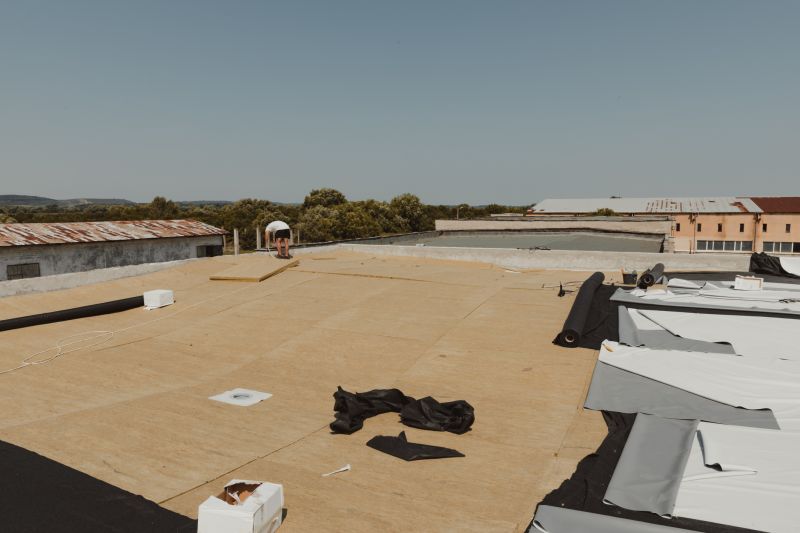
When evaluating local contractors for a single-ply roof installation, it’s important to consider their experience with similar projects involving TPO, EPDM, and PVC roofing systems. Homeowners should inquire about how many installations they have completed with each material type and whether they have encountered challenges specific to these options. A contractor’s familiarity with the nuances of each membrane can influence the quality of installation and long-term performance, so seeking service providers who have a proven track record with the chosen material can provide added confidence.
Clear, written expectations are essential when comparing local pros for TPO, EPDM, and PVC roof installation services. Homeowners should request detailed proposals that outline the scope of work, materials to be used, and the warranty terms. Having this information in writing helps ensure that both parties are aligned on project deliverables and reduces the potential for misunderstandings. Reputable service providers typically provide comprehensive, transparent documentation that clearly explains what will be included in the installation process.
Effective communication and reputable references are key factors in selecting a reliable contractor for single-ply roof systems. Homeowners should seek out service providers who are responsive to questions and willing to explain the differences between TPO, EPDM, and PVC options in understandable terms. Additionally, asking for references or reviews from previous customers who had similar projects can offer insights into the contractor’s professionalism, workmanship, and reliability. Good communication and positive references can help ensure the chosen contractor will deliver a smooth installation experience and a roof that meets expectations.
Property owners often search for TPO, EPDM, and PVC: comparing single-ply roof installation options when they are planning practical projects around their homes and businesses. Local pros provide TPO, EPDM, and PVC Roof Installation services for everyday jobs and straightforward project options.
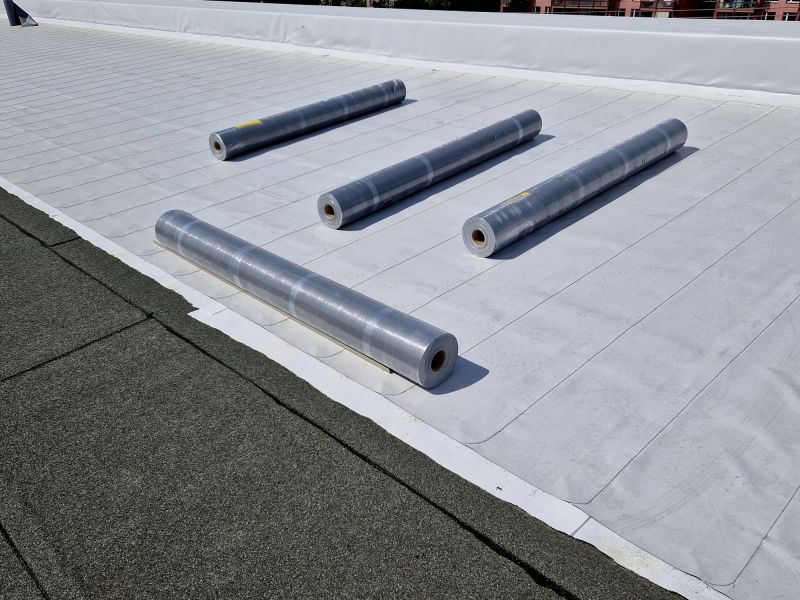
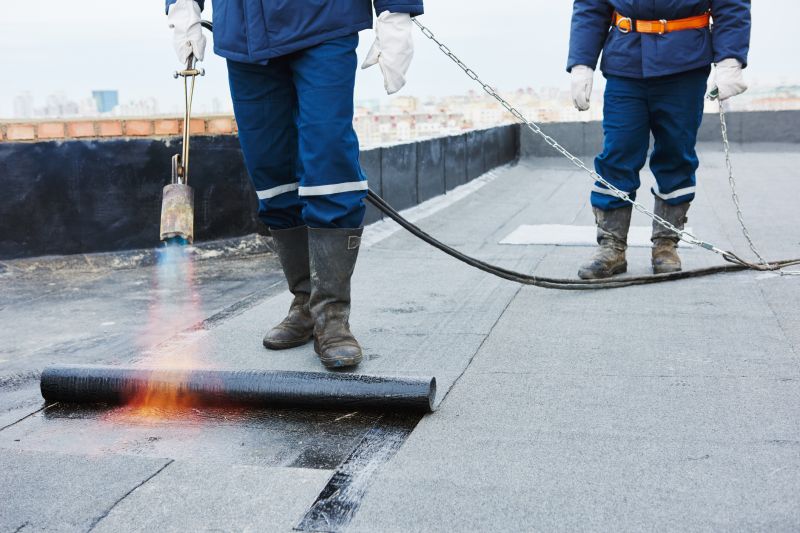
When property owners in the area are considering single-ply roof installation options, they often look into the differences between TPO, EPDM, and PVC roofing materials to determine which best suits their needs. Homeowners and business owners might ask themselves questions about durability, weather resistance, and installation process, especially when facing common project situations like replacing an aging roof or upgrading for better performance. Local contractors can provide guidance on the advantages of each material, helping property owners understand which option aligns with their specific building type, budget, and long-term goals.
Understanding the distinctions between TPO, EPDM, and PVC roofs can help property owners make informed decisions about their roofing projects. Local service providers are equipped to handle the installation of these materials and can explain factors such as lifespan, maintenance requirements, and suitability for different climates or roof designs. Connecting with experienced contractors ensures that the chosen roof type is installed correctly and efficiently, giving property owners confidence in their investment and the performance of their new roof.
What are the main differences between TPO, EPDM, and PVC roofing materials? TPO, EPDM, and PVC are single-ply roofing options that vary in material composition, durability, and flexibility. Local contractors can help compare these options based on specific roof needs and conditions to determine the best fit.
How does the installation process differ among TPO, EPDM, and PVC roofs? Each roofing type has a distinct installation method, with TPO and PVC often requiring heat-welded seams, while EPDM typically uses adhesive or mechanical fastening. Service providers can explain these differences during installation consultations.
Which roofing material is most suitable for different building types or climates? The suitability of TPO, EPDM, or PVC depends on factors like building structure, climate, and usage. Local roofing experts can assess these factors to recommend the most appropriate single-ply roof option.
Are there specific maintenance requirements for TPO, EPDM, and PVC roofs? Maintenance needs differ among these materials, with some requiring regular inspections or cleaning to ensure longevity. Service providers can advise on maintenance practices tailored to each roofing type.
Can local contractors handle the installation of all three types of single-ply roofs? Yes, many local roofing service providers are experienced in installing TPO, EPDM, and PVC roofs, offering options that suit different building needs and preferences.
Material comparison insights - Property owners can explore different single-ply roofing options like TPO, EPDM, and PVC to find the best fit for their building's needs with the help of local contractors.
Installation considerations - Understanding how each roofing material is installed helps property owners plan for durable and reliable roof setups with local service providers.
Weather resistance factors - Property owners can evaluate which roofing material offers optimal protection against local weather conditions by consulting experienced roof installation professionals.
Longevity and maintenance - Comparing the expected lifespan and upkeep requirements of TPO, EPDM, and PVC roofs allows property owners to make informed decisions with guidance from local experts.
If you are thinking about TPO, EPDM, and PVC: comparing single-ply roof installation options for a property, this guide is meant to help you understand this topic, the typical project types, and how different options might fit your plans.
When you are ready, you can use the quote form on this page to share a few details about your project. From there, local pros can review the basics and follow up with options that match what you have in mind.