Flat vs. Single-Ply Roof Installation: Which Is Right for Your Building
People searching for flat or single-ply roof installation are typically looking to improve roof durability and waterproofing, and local contractors can help determine the best option for their building.
If you’re exploring options for roof installation or replacement, understanding the differences between flat and single-ply roofs can be a practical first step. Property owners in the area often consider these options based on their building’s design, intended use, and long-term maintenance needs. Whether upgrading a commercial space or a residential flat roof, knowing which roofing type aligns with your property’s demands can help make informed decisions. Local contractors specializing in flat and single-ply roof installation are well-equipped to provide guidance tailored to your specific building, ensuring the right choice is made for durability, cost-effectiveness, and performance.
As you delve into the details of flat versus single-ply roof installation, it’s helpful to consider factors like material lifespan, installation complexity, and climate suitability. Property owners who want a straightforward, lightweight solution might lean toward single-ply membranes, while those seeking a more traditional flat roof with potential for added insulation could prefer other options. Local service providers can assess your building’s unique characteristics and help determine which roofing system best fits your needs. Keep reading to discover the practical differences and benefits of each option, and how local experts can assist in making the right choice for your property.
- Flat roof installation - suited for buildings requiring a cost-effective, easy-to-access roof surface that local contractors can install with durable membrane options.
- Single-ply roof installation - ideal for structures needing lightweight, flexible roofing solutions that local service providers can customize for various building types.
- Flat roof installation - often chosen for commercial or industrial buildings, with local pros focusing on proper drainage and weather resistance during installation.
- Single-ply roof installation - suitable for projects demanding quick installation and minimal disruption, with local contractors ensuring seamless membrane application.
- Flat roof installation - recommended for buildings with flat or low-slope roofs where local pros emphasize long-term waterproofing and structural support.
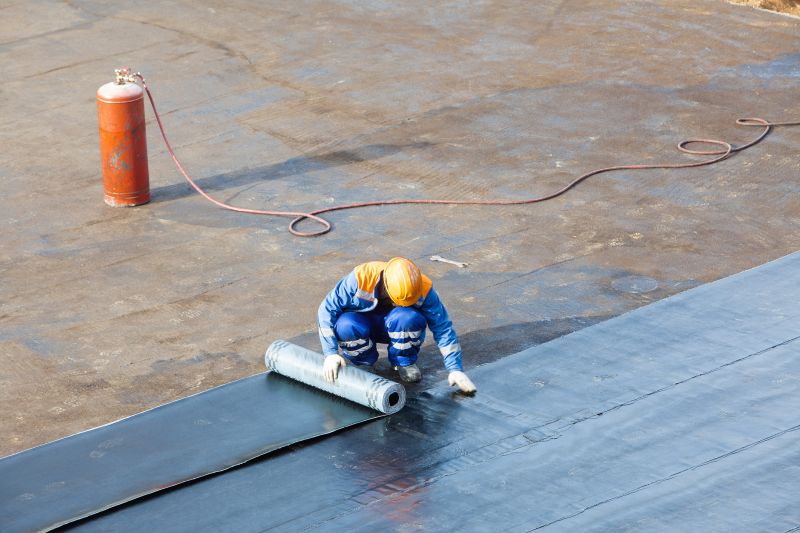
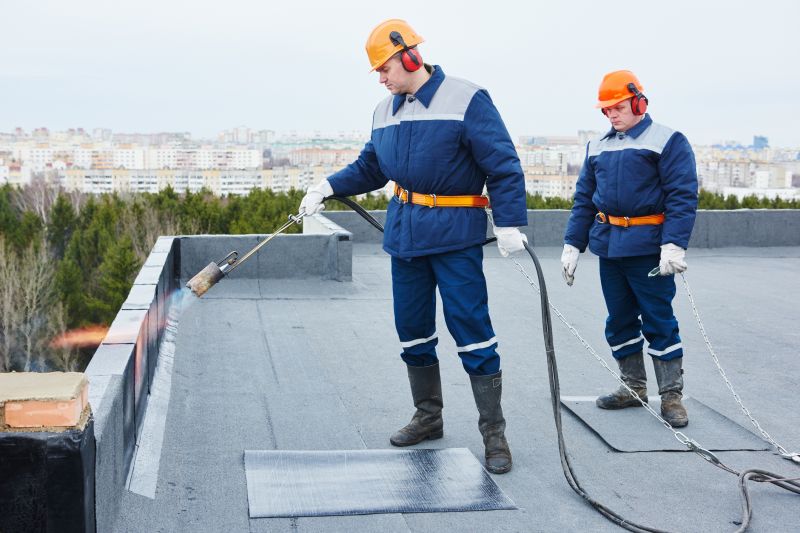
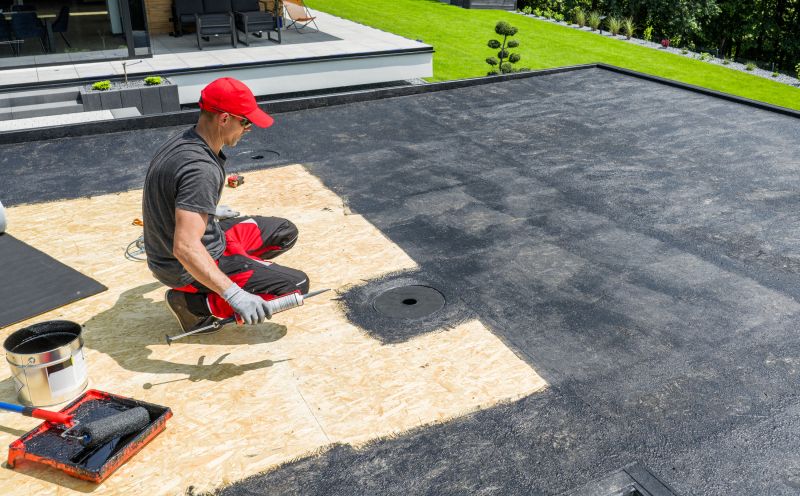
When homeowners or property managers begin exploring options for roof replacement or installation, they often encounter the question of whether to choose a flat or single-ply roofing system. This search typically stems from the need to address specific building conditions, durability concerns, or aesthetic preferences. People looking into flat vs. single-ply roof installation are usually trying to understand which system offers better longevity, maintenance needs, or suitability for their building’s design. These considerations are especially relevant for commercial properties, warehouses, industrial facilities, and some multi-family residential buildings, where the roof’s performance directly impacts operational efficiency and safety.
The decision between flat and single-ply roofing often relates to the unique challenges or plans associated with a building’s roof. For example, a flat roof might be preferred for its straightforward design, ease of access, and potential for rooftop equipment installation. Conversely, single-ply roofing systems are known for their lightweight nature and strong resistance to weather elements, making them attractive for buildings requiring a durable, flexible membrane. Property owners may also be considering future modifications, insulation upgrades, or energy efficiency improvements, all of which influence the choice of roofing material. Local contractors specializing in flat or single-ply roof installation can evaluate these factors and recommend solutions aligned with the building’s structure and intended use.
The types of properties that commonly come up in discussions about flat vs. single-ply roof installation include commercial offices, retail centers, industrial warehouses, and apartment complexes. These buildings often have large, expansive roof surfaces that benefit from the simplicity and cost-effectiveness of flat roofing systems. Single-ply membranes, such as TPO or EPDM, are popular choices for their ease of installation and long-term performance. Residential properties with flat or low-slope roofs might also consider these options, especially if they require a low-maintenance, weather-resistant roof. Local service providers experienced in both types of installation can help property owners assess the specific needs of their building and recommend the most suitable roofing system.
Understanding the differences between flat and single-ply roof installation is crucial for property owners making informed decisions about their building’s roof. Flat roofing systems are generally valued for their affordability and straightforward construction, making them ideal for buildings with large, accessible roof areas. Single-ply membranes, on the other hand, offer excellent weather resistance, flexibility, and ease of repair, which can extend the life of the roof and reduce long-term maintenance. Local contractors specializing in these installation types can evaluate the building’s structure, climate considerations, and future plans to help determine which roofing system best matches the property’s needs. Connecting with experienced professionals ensures that the chosen solution delivers durability and performance tailored to the building’s specific requirements.
Commercial roofing projects - local contractors experienced in flat and single-ply roof installation can help with large-scale commercial buildings requiring durable roofing solutions.
Roof membrane replacement - professionals skilled in installing and repairing membrane roofs are familiar with the materials and planning needed for single-ply roofing options.
Industrial building roofing - service providers knowledgeable in flat roofing systems can assist with the unique requirements of industrial facilities.
Roof waterproofing projects - local pros can evaluate and implement waterproofing techniques suitable for flat and single-ply roofs to prevent leaks and water damage.
Green roof installation - experts in flat roofing can incorporate green roof systems that integrate with various roofing types, including single-ply membranes.
Roof inspection and assessment - experienced contractors can assess existing flat or single-ply roofs to determine the best approach for repairs or replacement.
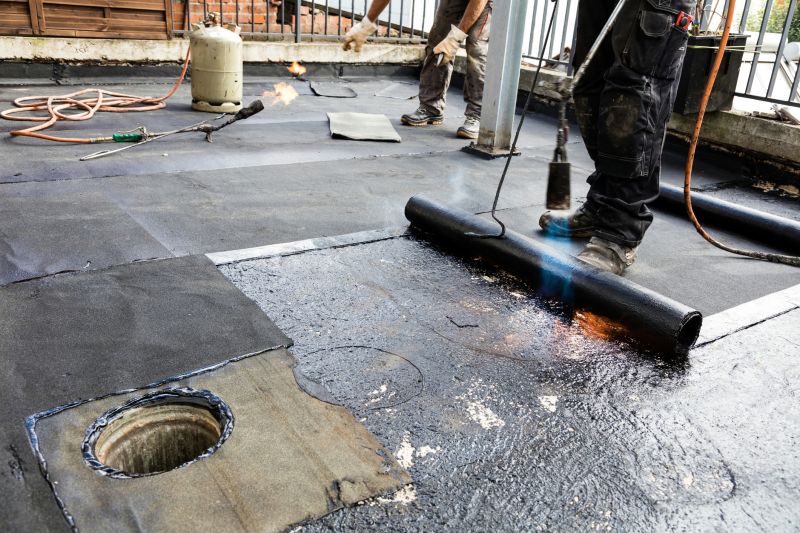
When evaluating local contractors for flat versus single-ply roof installation, it is important to consider their experience with similar projects. Homeowners should inquire about the types of roofs the service providers have previously installed, paying attention to those who have handled buildings comparable in size, design, or usage. A contractor’s familiarity with both flat and single-ply roofing systems can indicate their ability to recommend the most suitable option based on the specific needs of the building. Additionally, understanding a contractor’s track record with similar projects can provide insight into their level of expertise and the quality of work they deliver.
Clear, written expectations are essential when comparing local service providers for roof installation. Homeowners should seek detailed proposals that outline the scope of work, materials to be used, and the projected timeline. This transparency helps ensure that both parties share an understanding of what the project entails, reducing the chances of miscommunication or surprises during the process. When evaluating options, it’s also beneficial to review the contractor’s ability to explain the differences between flat and single-ply roofing systems, including their advantages and potential limitations, so that informed decisions can be made.
Reputable references and effective communication are key factors in selecting the right local pros for a roof installation. Homeowners are encouraged to ask for references from past clients who had similar roofing projects completed, especially those involving flat or single-ply systems. Speaking with previous customers can provide valuable insights into the contractor’s reliability, professionalism, and the overall quality of their work. Good communication throughout the process ensures that questions are answered, concerns are addressed, and the project progresses smoothly. Choosing a contractor who maintains open, clear dialogue can lead to a more positive experience and a successful roofing outcome.
Property owners often search for flat vs. single-ply roof installation: which is right for your building when they are planning practical projects around their homes and businesses. Local pros provide Flat or Single Ply Roof Installation services for everyday jobs and straightforward project options.
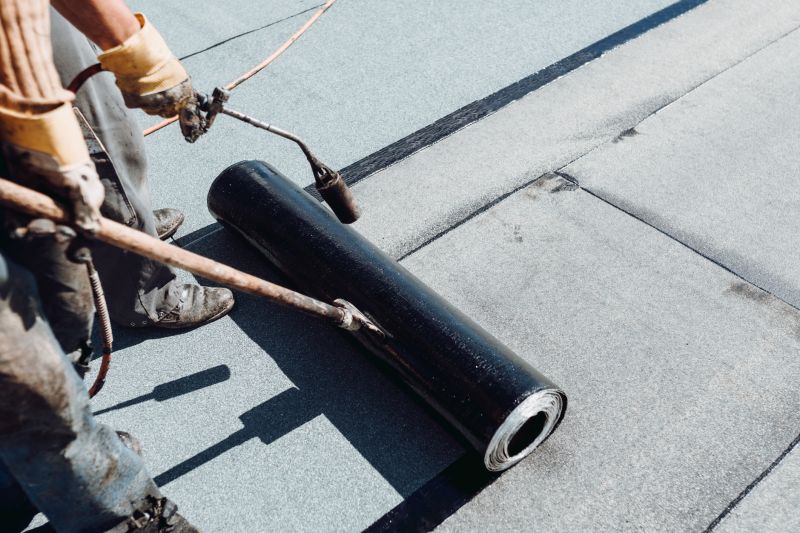
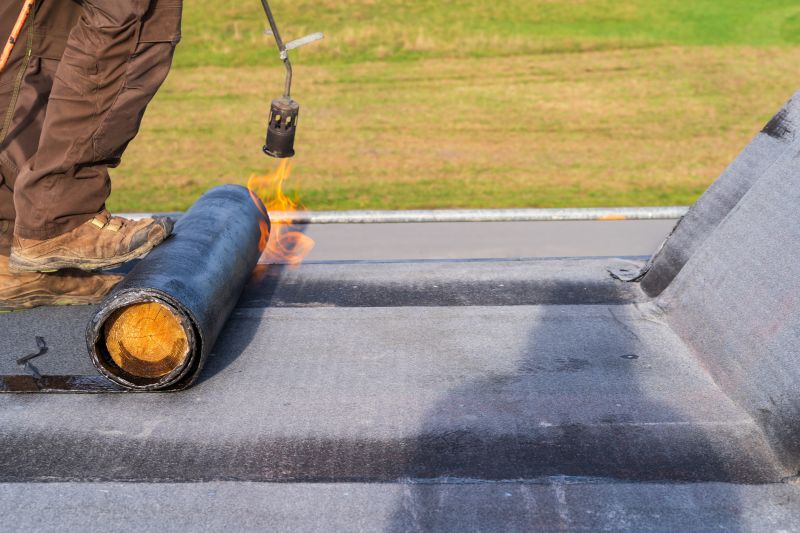
Understanding the differences between flat and single-ply roof installation can help property owners make informed decisions about their building projects. Many local property owners seek this information when considering roof upgrades or replacements, especially if they want a solution that balances durability, cost, and ease of maintenance. Flat roofs are often chosen for commercial buildings or structures with a low-slope design, offering a simple, cost-effective option that provides ample space for HVAC equipment or future modifications. On the other hand, single-ply roofing systems are popular for their lightweight nature and flexibility, making them suitable for a variety of building types and sizes.
Choosing between flat and single-ply roof installation services often depends on the specific needs of a property. Local contractors can assess factors like building structure, weather exposure, and long-term maintenance requirements to recommend the most appropriate roofing system. Property owners who prioritize affordability and straightforward installation might lean toward flat roofing options, while those seeking a versatile and durable membrane may prefer single-ply solutions. Connecting with experienced service providers can ensure the right choice is made, tailored to the unique characteristics of each building.
What are the main differences between flat and single-ply roof installation? Flat roof installation typically involves a continuous, level surface, while single-ply roofing uses a membrane material that is applied in sheets. Local contractors can assess your building to recommend which method suits your structure and needs best.
Which type of roof is more durable for a commercial building? Single-ply roofs are often known for their durability and flexibility, making them suitable for various building types. Local service providers can help determine if this durability aligns with your building's requirements compared to flat roof options.
Are flat roofs easier to maintain than single-ply roofs? Flat roofs generally require regular inspections and maintenance due to their design, while single-ply roofs may offer easier upkeep because of their seamless membrane. Local pros can advise on maintenance needs based on the chosen roofing type.
Can a building's design influence the choice between flat and single-ply roofing? Yes, the building's shape, usage, and structural features can impact which roofing type is more appropriate. Consulting with local contractors can help determine the best fit for your building's design.
How do local pros determine which roof installation method is suitable for a building? They evaluate factors like building structure, climate considerations, and intended use to recommend between flat and single-ply roof installation, ensuring the selected method aligns with your building's needs.
Assessing durability needs - Property owners can evaluate whether their building requires a roof with high durability, which may favor flat roof options, or a lightweight solution suitable for single-ply systems, with help from local contractors.
Considering climate and weather exposure - Building owners might determine if their area’s weather conditions make flat or single-ply roofing more appropriate, and seek advice from local service providers on best choices.
Evaluating maintenance requirements - Property owners can decide how much ongoing maintenance they are prepared for and consult local pros about which roofing type aligns with their maintenance preferences.
Matching roof style to building structure - Home or business owners can analyze their building’s design to see which roofing system complements its architecture, with guidance from local contractors experienced in flat and single-ply installations.
If you are thinking about flat vs. single-ply roof installation: which is right for your building for a property, this guide is meant to help you understand this topic, the typical project types, and how different options might fit your plans.
When you are ready, you can use the quote form on this page to share a few details about your project. From there, local pros can review the basics and follow up with options that match what you have in mind.